
Leading Fire Sprinkler Components For Safe and Compliant Installations
Select from high-performance parts and accessories that meet safety standards and ensure system reliability.
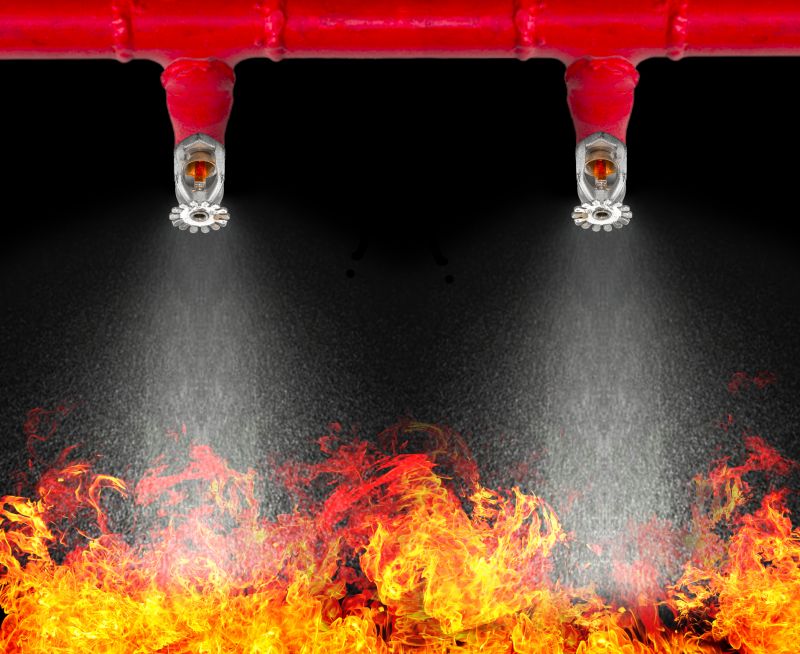 Fire sprinkler installation involves a range of specialized products designed to ensure effective fire suppression and safety. These components are essential for creating a reliable fire protection system in residential, commercial, and industrial settings. Proper selection and installation of these products can significantly influence the overall performance and safety of the system. From piping and fittings to sprinkler heads and control valves, each element plays a critical role in maintaining the integrity of fire safety measures.
Top Overall Option
Fire Sprinkler System Components Kit
A comprehensive set of essential components designed to support various fire sprinkler system configurations. This kit typically includes sprinkler heads, piping fittings, control valves, and mounting hardware, offering versatility for different installation needs. It is suitable for both new installations and system upgrades, providing a reliable foundation for fire safety infrastructure.
Types of Products For Fire Sprinkler Installations
Sprinkler Heads
Devices that release water when a fire is detected, available in various spray patterns and temperature ratings to suit different environments.
Piping and Tubing
Materials such as steel, CPVC, or copper used to route water throughout the system, chosen based on durability and compatibility.
Control Valves
Valves that control water flow within the system, including alarm, shut-off, and pressure regulation valves.
Fittings and Connectors
Various couplings, elbows, and adapters that connect different piping sections and components securely.
Alarm Devices
Sensors and alarms that alert building occupants and systems when sprinkler activation occurs.
Sprinkler System Actuators
Mechanical or electronic devices that trigger the sprinkler heads in response to heat or smoke detection.
Drainage and Flush Valves
Components used for system maintenance, drainage, and flushing to ensure system readiness.
Pressure Gauges
Instruments that monitor water pressure within the system to maintain optimal operation.
Backflow Preventers
Devices that prevent contamination of the water supply by preventing reverse flow.
Seismic Braces and Supports
Hardware that secures piping and components against seismic activity or structural movement.
Leak Detection Sensors
Sensors designed to identify leaks or water loss within the system for prompt maintenance.
Fire Resistant Sleeves and Wraps
Protective coverings that prevent damage to piping from heat or mechanical impact.
Popular Choices
Widely used for their variety in spray patterns and temperature ratings, suitable for different environments.
Commonly selected to manage water flow and system activation efficiently.
Steel and CPVC piping are frequently chosen for their durability and ease of installation.
Popular for early detection and notification, including heat and smoke sensors.
Essential for system maintenance, drainage, and flushing procedures.
Regularly used to monitor system pressure and ensure proper operation.
Important for protecting the water supply from contamination in many installations.
Often selected in seismic zones to secure piping against movement.
Trending for proactive maintenance and early leak identification.
Understanding the variety of products available is key to making informed decisions. Different environments and building codes may require specific types of sprinklers, piping materials, or control mechanisms. The installation process often involves coordinating multiple components to ensure seamless operation and compliance with safety standards. It is also important to consider ease of maintenance and future scalability when choosing products for fire sprinkler systems.
Safety standards and regulations guide the selection of fire sprinkler products, emphasizing durability, corrosion resistance, and proper functionality. Regular inspections and upkeep are necessary to ensure these components perform as intended during an emergency. Therefore, selecting high-quality, compatible products that meet industry standards can provide peace of mind and enhance the overall safety infrastructure of a property.
Investing in the right products for fire sprinkler installations is a crucial step toward comprehensive fire safety planning. Whether upgrading an existing system or installing a new one, understanding the different product types and their applications helps in creating a reliable and compliant fire protection network. Always consult with professionals or adhere to local codes to ensure optimal system design and implementation.
Key Buying Considerations
- Compatibility with existing fire safety systems and building codes
- Material durability and corrosion resistance based on environment
- Appropriate spray pattern and temperature rating for the application
- Ease of installation and maintenance requirements
- System pressure and flow requirements to ensure proper operation
- Compliance with local fire safety standards and regulations
- Availability of replacement parts and accessories
- Compatibility of different components within the system
- Size and capacity of piping and fittings for future expansion
- Integration capabilities with alarm and monitoring systems
- Quality certifications and industry standards adherence
- Cost considerations balanced with quality and reliability
- Ease of access for inspection and maintenance
- Seismic or mechanical support requirements in relevant zones
- Warranty and support from suppliers or manufacturers